Oct 20, 2026

Have you ever worn a colour that instantly made your skin glow, your eyes look brighter, and your overall appearance feel more polished?
And then there are colours that somehow make you look tired, dull, or washed out—even when you’re feeling perfectly fine.
The difference often has very little to do with fashion trends.
More often, it comes down to one thing: colour harmony.
This is exactly where colour analysis becomes a game-changer.
What Is Colour Analysis?
Colour analysis is the process of identifying the colours that naturally complement your unique features.
It helps determine which shades enhance your:
Skin tone
Undertone
Hair colour
Eye colour
Contrast level between your features
The goal is simple: to help you understand which colours make you look your best.
When you wear the right colours:
✔ Your skin appears healthier
✔ Dark circles look softer
✔ Your face appears brighter
✔ You look more energetic and fresh
✔ Your outfits look more intentional
When you wear the wrong colours:
✖ Skin may appear dull
✖ Pigmentation may become more visible
✖ You may look tired or washed out
✖ The outfit may overpower your face

Why Colour Analysis Matters
Most people shop based on trends, mood, or what looks good on someone else.
But style becomes much easier when you know what truly works for you.
Colour analysis helps you:
Shop smarter
Avoid impulse buying
Build a cohesive wardrobe
Create better outfit combinations
Feel more confident in what you wear
Instead of owning clothes you rarely wear, you begin investing in colours that consistently flatter you.
How Does the Colour Analysis Process Work?
A professional colour analysis session goes beyond simply deciding whether gold or silver jewellery suits you.
It involves observing how different colours interact with your face under proper lighting.
During the process, we assess:
1. Undertone Analysis
This identifies whether your skin has:
Warm undertones
Cool undertones
Neutral undertones
Undertone plays a major role in determining your best colour family.
2. Contrast Level
We study the contrast between your:
Skin
Hair
Eyes
For example, some people suit high-contrast colours, while others look better in softer combinations.
3. Colour Intensity
Some individuals shine in:
Bright colours
Muted colours
Deep colours
Soft colours
This helps determine whether bold or subtle shades flatter you more.
4. Personal Colour Palette Creation
Based on the analysis, a personalised colour palette is created for you.
This typically includes:
Best neutrals
Accent colours
Statement colours
Metal recommendations
Makeup suggestions (for women)
Styling direction
Is Colour Analysis Only for Women?
Not at all.
Colour analysis is equally valuable for men.
It can help men choose:
Better shirt colours
Suit colours
T-shirt shades
Footwear tones
Eyewear colours
Grooming choices like hair colour or beard tones
The right colours can make men look sharper, healthier, and more confident with minimal effort.
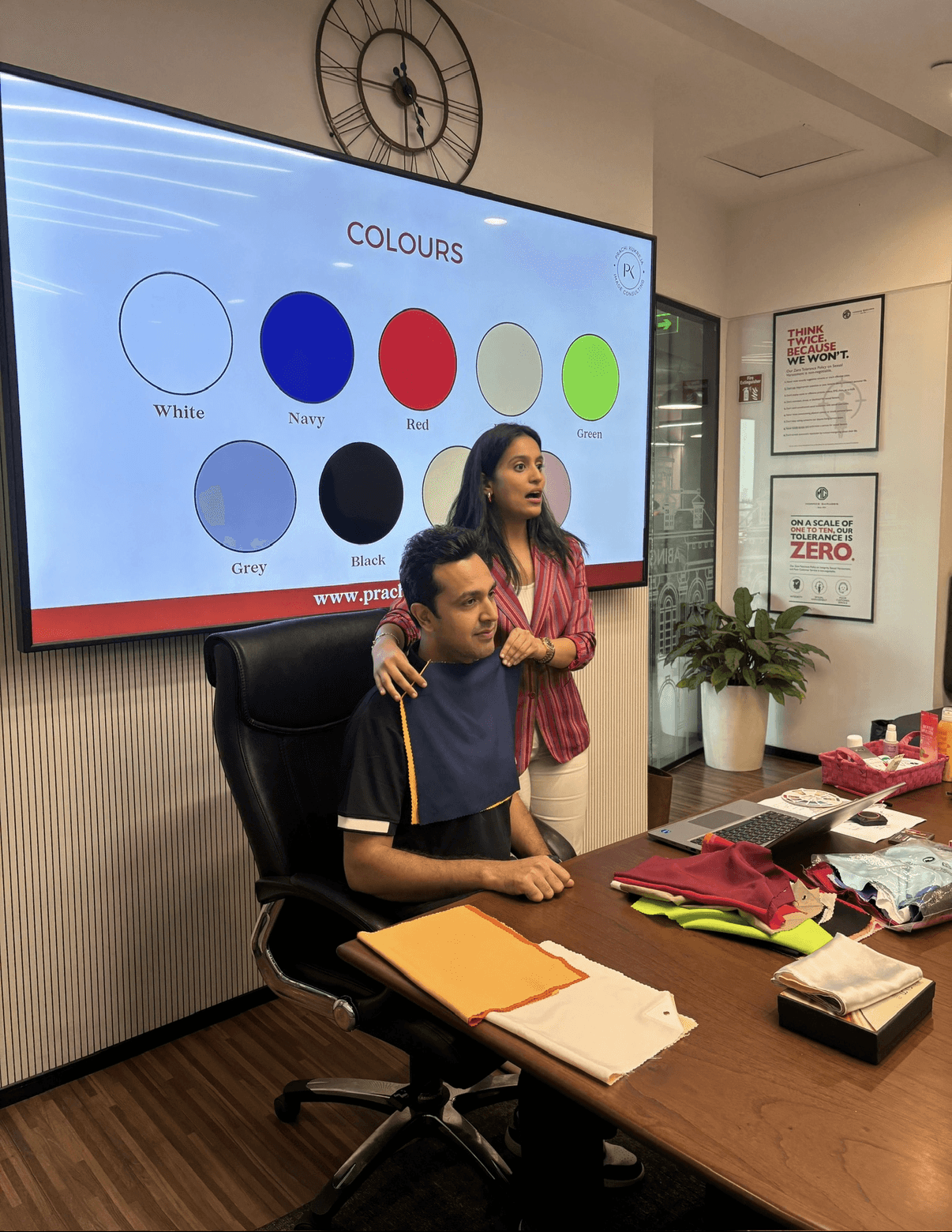
Colour analysis is not about restricting your wardrobe.
It’s about understanding how to make colours work in your favour.
Once you know your best shades, getting dressed becomes easier, shopping becomes more intentional, and your personal style feels more effortless.
Because the most flattering colour isn’t necessarily the trendiest one.
It’s the one that brings out the best in you.